Garbage – 30 Years of Defiance and Glory
Seattle’s Paramount Theater became the epicenter of alternative rock nostalgia and reinvention as Garbage was back in the city that supporting their eighth record, Let All That We Imagine Be Light. The band—formed in Madison, Wisconsin in 1993 by Butch Vig, Duke Erikson, and Steve Marker, later joined by the indomitable Shirley Manson—has spent three decades redefining what it means to be dark, daring, and unapologetically authentic. From their self-titled debut in 1995, which gave us “Stupid Girl” and “Only Happy When It Rains,” to their Grammy-nominated Version 2.0 and politically charged No Gods No Masters, Garbage has never played it safe.
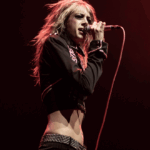
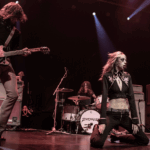
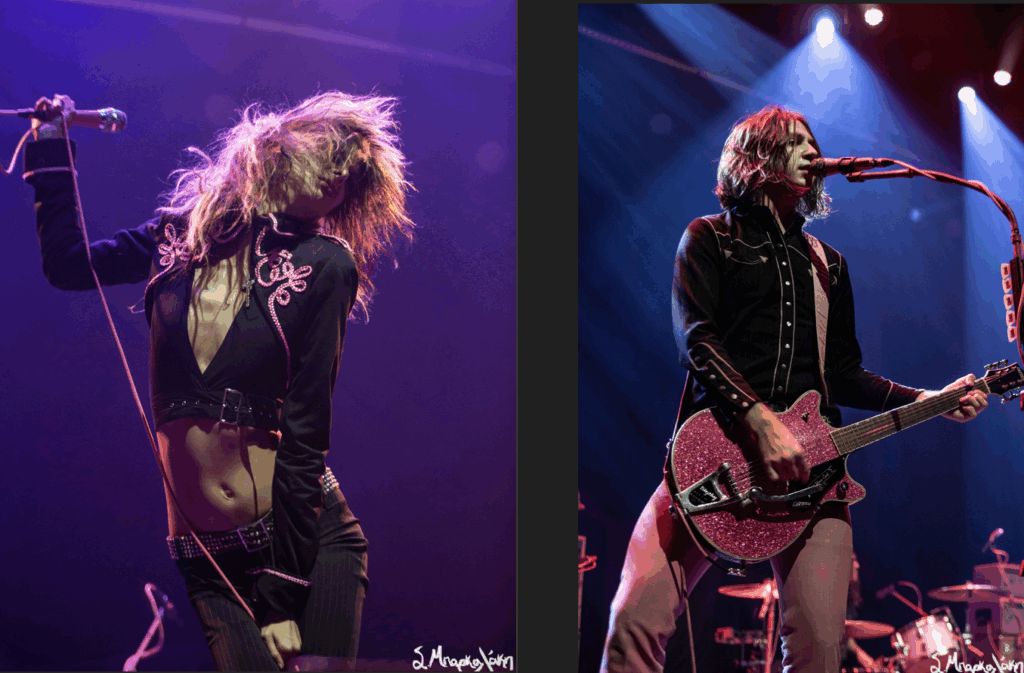
Before Garbage even stepped out, the night belonged to Starcrawler, the Los Angeles glam-punk outfit that has been turning heads with their feral energy and unapologetic theatrics. Leading the charge was Arrow De Wilde, a frontwoman who feels like a reincarnation of every rock god rolled into one—yet entirely her own creation. Tall, angular, and draped in a shredded ensemble that looked equal parts couture and chaos, Arrow stalked the stage like a predator, commanding attention with every twitch and snarl.
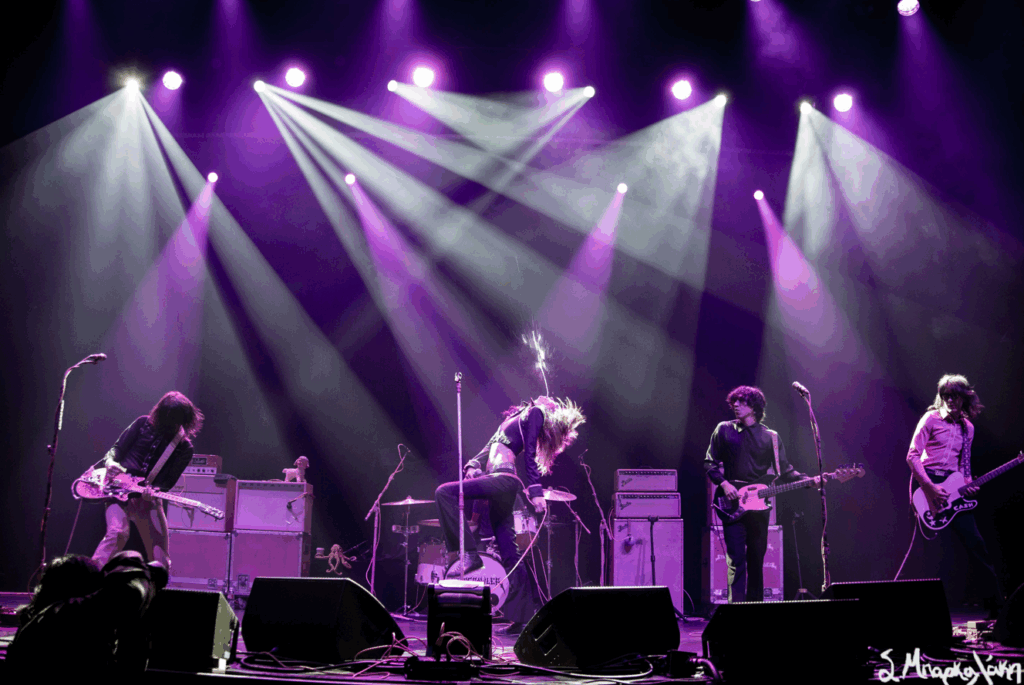
Starcrawler’s set was a whirlwind of punk riffs and glitter-soaked aggression, a reminder that rock is alive and mutating in the hands of bands like this. Arrow’s performance was visceral—she didn’t just sing; she inhabited every lyric, twisting her body into shapes that felt like performance art. At one point, she leaned into the crowd with a stare so intense it felt like a dare: Are you ready for this? Seattle was. By the time they tore through “She Said” and “Roadkill,” the audience was fully converted, primed for Garbage’s arrival. If Garbage represents endurance and evolution, Starcrawler is the raw, unfiltered future—and Arrow De Wilde is its fearless face.
Seattle has always been a spiritual home for Garbage, and last night at the Paramount, the band reminded us why. “Our career in the States practically started here,” Shirley Manson told the crowd, recalling the moment Marco Collins first spun their track on local radio. “So the next one is dedicated to Marco and his great taste.” That sense of history and gratitude permeated the entire evening, making their show feel like a love letter to the city that helped launch them.
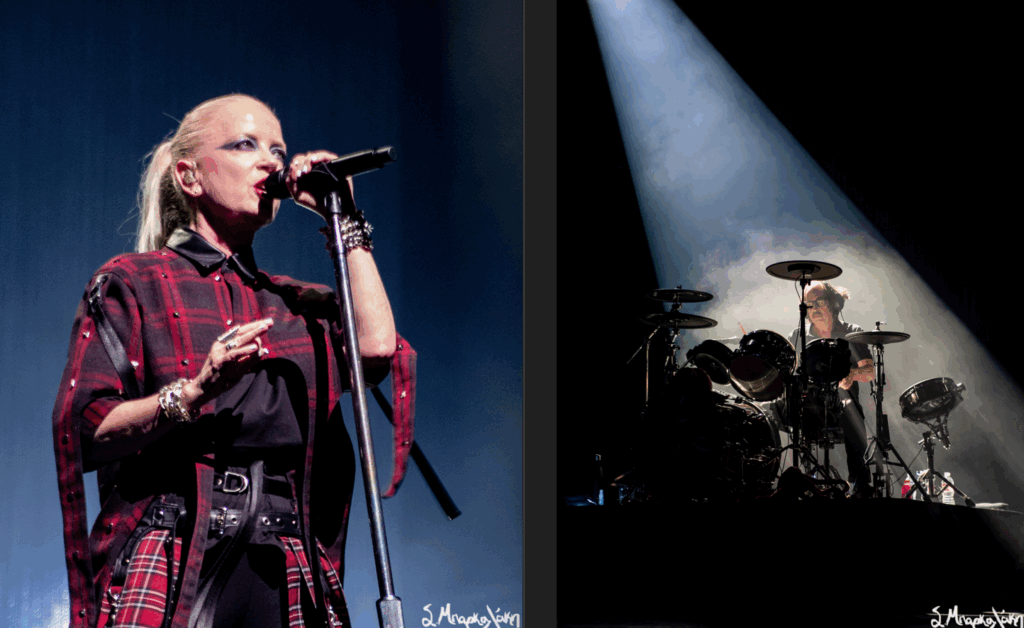
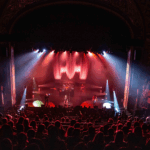
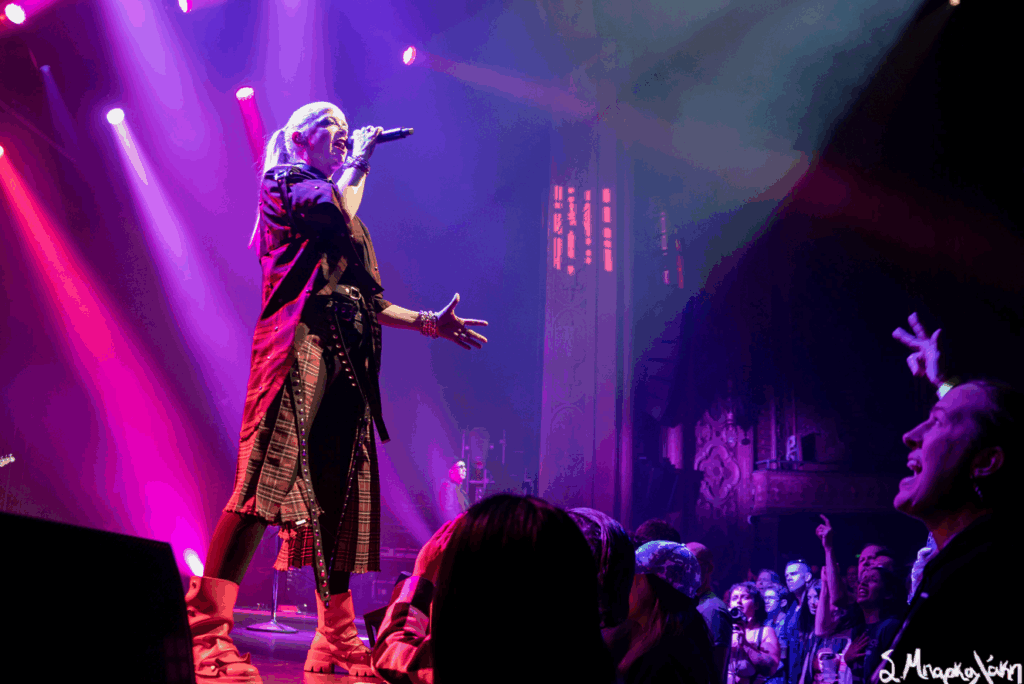
The stage was a surreal playground, dotted with octopus stuffed animals—a nod to their new record, Let All That We Imagine Be Light—and the kit gleamed under impeccable lighting by Gigi Pedron, who turned the venue into a cinematic dreamscape of shadows and neon. When Manson walked out wearing a mix of kilt-like fabric and black, paired with striking red boots, she looked absolutely like a badass babe. No matter how many years pass, this is the image she radiates: pure rock star, commanding her troops with elegance and edge.

About mid set Manson dedicated “#1 Crush” to Nicole, the bassist, before plunging into the gloomiest, darkest bass riff that shook the floor. Then came “Fix Me Now,” a reminder of Garbage’s ability to balance menace with melody. After, Shirley teased the crowd: “I might just go rogue completely—would you like to hear ‘Special’ or one of my favorites, ‘Queer’?” The roar for “Queer” was deafening. “Okay, we’ll stick to the regular programming. The tribe has spoken,” she laughed, proving once again her instinct for reading a room.
Between songs, Manson opened up about the band’s journey: being dropped from Interscope, told no one wanted to listen anymore, and how fans gave them the freedom to keep going. “You have so much power in loving a band,” she said. “You give us the freedom to do what we want and tell record labels to go f*ck themselves.” It was raw, honest, and deeply moving—a manifesto for artistic independence. “Thank you for 30 years of love. Without fans, we wouldn’t have a career at all.”
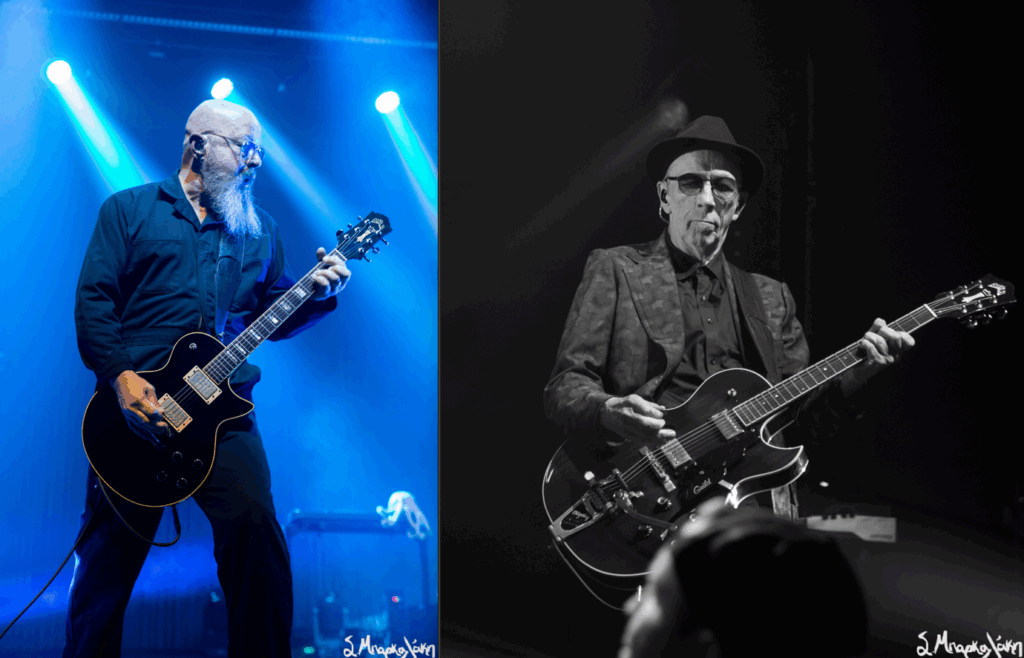
The emotional weight carried into “Chinese Fire Horse,” where the lyric “Wait a minute, wait a minute” hit like a warning shot—she’s definitely not done. But there was also a bittersweet undertone: “You never know these days,” Shirley admitted. “When you’re young, it doesn’t even occur to you that you’ll return to a city. Now it hits us how profound it is that this might be our last time in the city playing together. Thank you for a great 30 years—it’s been a great life.”
The encore was pure catharsis: “Stupid Girl” had the entire room singing the chorus in unison, and they closed with the unforgettable “Only Happy When It Rains,” a perfect storm of nostalgia and defiance. Garbage didn’t just play a show—they delivered a statement. Thirty years in, they remain fierce, fearless, and unapologetically themselves.